

The Importance of Retainers: 5 Ways They Help With Long-Term Results
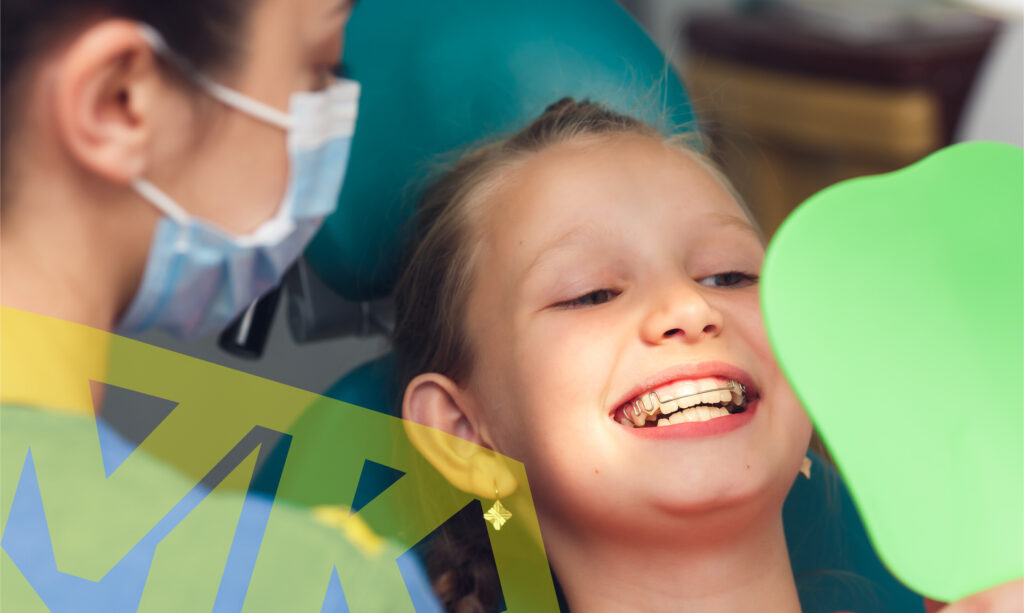
Why does my child need to wear a retainer?
You already know braces and other orthodontic treatments are essential to ensuring your child’s oral health. Retainers are important to long-term orthodontic outcomes but tend to be neglected over time. Here are five key reasons retainers are vital to your child’s smile.
1. Maintaining Alignment
Retainers are orthodontic devices that hold teeth in the proper positions to help avoid relapse after orthodontic treatment. They physically prevent teeth from drifting, which they tend to do after treatment.
Wearing a retainer as directed helps ensure the long-term results of orthodontics. Without them, teeth gradually shift back into misalignment, making the substantial time and money you invested in braces wasted.
Preventing teeth from shifting back into improper positions is important for a few key reasons. For one, it helps your child avoid a crooked smile, ensuring that their straight teeth are here to say. Misaligned teeth also lead to increased wear and a higher risk of tooth decay.
If your child’s teeth end up misaligned again, they could need to start an entirely new course of orthodontic treatment. Retainers for kids avoid this problem and the stress and expense that can come with it.
2. Stabilizing the Bite
These orthodontic devices play a key role in maintaining proper bite alignment after orthodontic treatment. They keep teeth locked into the new positions to keep bite force evenly distributed, which allows for proper chewing and speaking.
A correctly aligned bite can also reduce strain on jaw muscles and joints. This means that a retainer helps avoid potential issues such as temporomandibular joint (TMJ) disorder in the future. Regular retainer use is critical to make sure your child’s bite stays stabilized.
Having a stable bite significantly contributes to overall oral health. With a retainer, your child’s teeth will sit together correctly, allowing for effective biting and chewing. This maximizes the nutrition they get from their diet and helps them avoid digestive issues.
A bite that sits together properly also prevents excessive wear on individual teeth. Pressure is properly distributed across all teeth, so no individual tooth is at risk of wear or dental injury.
3. Supporting Soft Tissue Adjustment
Braces and other orthodontic treatments guide teeth into their proper positions. However, teeth aren’t the only area of your child’s mouth that requires protection. The gums and other soft tissue that surround and support the teeth also need to be healthy.
Using a retainer after treatment helps soft tissues conform to changes in tooth placement. Over time, the soft tissues will stabilize and help keep teeth in their proper positions. However, this process takes time, and wearing a retainer during that period is critical.
Additionally, retainers support long-term stability. Using them consistently ensures that hard and soft tissues in the mouth adjust to the new alignments, providing a solid foundation for lifelong oral health.
Allowing that long-term stability to set in will help prevent future orthodontic issues. Neglecting retainer use could mean that your child may need further treatment later on, potentially in adulthood.
4. Preventing Relapse
Retainers are designed to maintain your child’s beautiful smile after orthodontic treatment. Periodontal ligaments can apply steady pressure to teeth for a long period after treatment, and teeth slide back into their original positions over time. But these devices can prevent this relapse.
After orthodontic treatment, you and your child will be briefed on specific instructions regarding retainers. Following those instructions is essential to ensure your child’s teeth do not relapse.
The specific details regarding the type of retainer and the frequency and duration of its use depend on a wide range of factors. Your child’s instructions will be customized based on their unique smile, so follow them closely to ensure the best long-term outcome.
Further adjustments will be necessary to correct relapse if it is allowed to happen, likely requiring your child to go through the discomfort and inconvenience of living with braces all over again.
5. Encouraging Consistent Oral Hygiene
Using a retainer can help your child remember to keep up a good oral hygiene routine. Maintaining proper brushing and flossing is essential with a retainer, as is properly cleaning the retainer itself.
This is because sticking to regular maintenance for their smile helps prevent a wide range of issues, including cavities and gum disease. The persistent presence of a retainer makes dental concerns less easy to overlook, so your child doesn’t forget about oral hygiene.
Cleaning retainers regularly is crucial to prevent the buildup of bacteria. Everyone has bacteria in their mouth, and appliances such as retainers provide additional surfaces for bacteria to grow on. Regular cleaning reduces bacteria levels, reducing the risk of both tooth decay and gum disease.
Ensure a beautiful smile that lasts for your child.
By encouraging your child to use their retainer as directed, you can help them keep their beautiful smile for the long term. Consistent retainer use will reward your child with better oral health and a substantially reduced need for further orthodontic treatment in the future.
At Must Love Kids, we provide high-quality orthodontic treatment in Vancouver, Washington. Schedule an appointment with us to discuss your child’s orthodontic needs today.
