

Braces Before High School? Why Early Orthodontic Treatment Might Be the Smartest Move
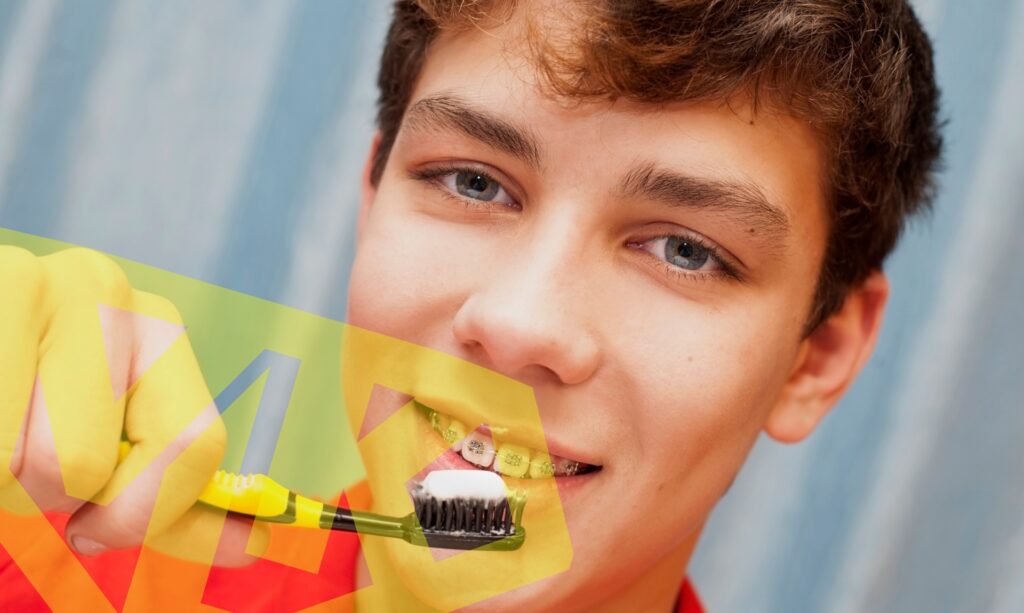
Braces are for more than just teenagers.
Braces are often thought of as a teenager’s rite of passage. It’s no surprise, considering a large percentage of children who need braces get them at some point during high school. Every dental journey is different, and for many children, early orthodontic treatment might be the smartest move to achieve their optimal smile. Starting earlier with orthodontic treatment might have benefits for those little growing smiles.
What is early orthodontic treatment?
Many children benefit from early orthodontic treatment, also known as Phase I treatment. This process typically begins around the ages of seven and 10 during mixed dentition, or when there are both baby and adult teeth in the mouth at the same time.
Children with severe malocclusions or crossbites benefit from this early treatment to gradually move the jaw into the best possible position. This process can happen in multiple stages. For example, sometimes the journey will begin with a palatal spreader, then follow through with braces when they hit those teenage years.
However, every journey is different. Because of this, it’s important that your child goes in for an early orthodontic evaluation around the age of seven to create the perfect plan for them.
Why is it so important?
Why does it matter if the needed orthodontic care is done at a young age or when they are teenagers?
Early orthodontic care isn’t done earlier just for fun. Getting your child the early orthodontic care they need might even eliminate the need for more complex treatment later. Often, the goal is to guide the jaw growth so that there is enough space for the incoming teeth. Without this gentle guidance, the incoming teeth can come in at all sorts of angles, or not at all. This results in more costly and even invasive dental work in the future.
In the case of crossbites, this early dental work is done while the jaw is still growing. If a child were to wait until they were done growing, sometimes the only way to repair it would be through extensive surgery.
Here are the signs your child might need an early check.
Are there any ways you can determine if your child needs this early orthodontic work?
It never hurts to get an early orthodontic check for your child. In fact, this is often recommended for children around the age of seven. At this check, the team will help you determine the best path for your child, after all, every smile journey is different.
Sometimes the determining factor for early orthodontic work falls on genetics, but there can be some signs that your child might benefit from something such as a palate spreader.
Overcrowding
When your child smiles, if you notice any overcrowding, they might need some help making space for their incoming adult teeth. Even without adequate space, those teeth like to come in regardless, often at all kinds of chaotic angles.
Bite Issues
If your child seems to have an underbite or lower bite, they might benefit from something like a palate expander. This is a device that is fitted to the roof of the mouth and adjusted daily by a little key. Over time, this will expand the jaw.
Early or Late Tooth Loss
If your child loses those baby teeth too early, the neighboring teeth tend to move around and take up the space. Early orthodontic care can help your child avoid the bite issues that come along with this. Similarly, if your child loses their teeth on the later side, the incoming adult teeth can create all sorts of problems.
Thumb Sucking or Pacifier
If your child didn’t want to leave the pacifier or thumb-sucking in their baby years, this could be an indicator that they need some early orthodontic care to get the bite the way it needs to be.
Mouth Breathing
If you’ve noticed that your child tends to breathe through their mouth even when they aren’t dealing with something like a cold, this could be an indicator that something might be going on with their bite. This issue is important to address, as continued mouth breathing can contribute to problems such as dry mouth, which in turn creates the perfect environment for cavities to form.
It is completely normal to wonder how you are going to talk to a young child about needing orthodontic work. Don’t worry, we’ve got you covered! Here are some suggestions to help get your child used to the idea.
Early orthodontic care can make a big difference.
Even though orthodontic care is typically thought of as something for teenagers, early orthodontic care can make a big difference in your child’s smile. It can make it easier to prevent cavities in the future and prevent more in-depth care as they age.
Must Love Kids is here to support those healthy, confident smiles from the start, no matter what! If your child is around the age of seven, be sure to schedule their early orthodontic evaluation to make sure they are on the best track possible for their smile!
