

The Psychological Benefits of a Beautiful Smile for Kids
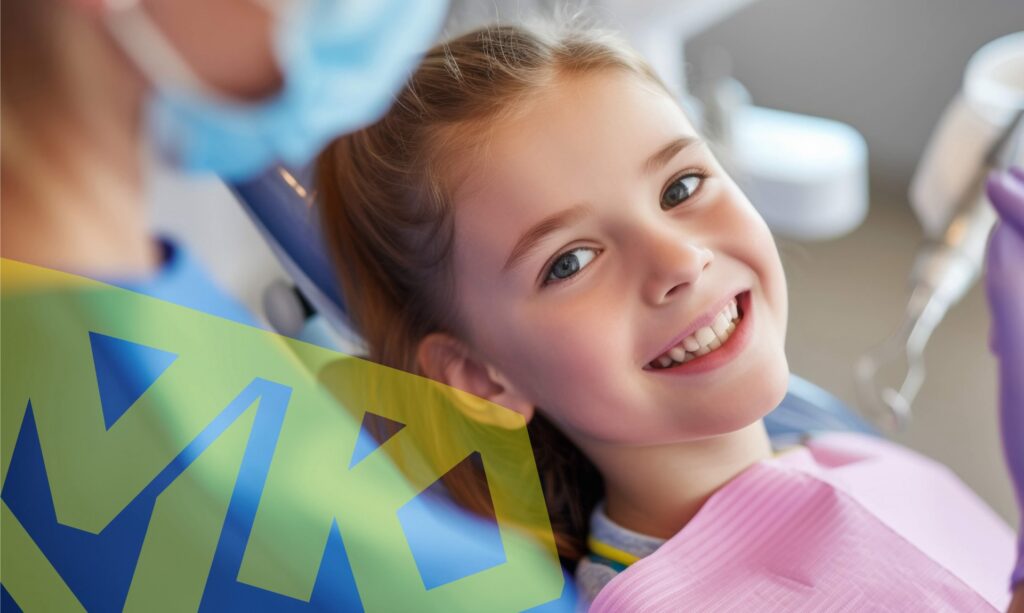
You probably know how important your smile is for you as an adult. You know that smiling can make a pretty big first impression, especially in the workplace and when developing new relationships. Not only that, but you also probably know of the many health benefits. Smiling is well-known to be good for more than just your mental health. It can lower your blood pressure, reduce pain, improve your immune system, and make you feel better overall.
It’s really no different for kids, except it is. When kids are growing and developing, they are often quite self-conscious about their appearance. And things like television, movies, and social media don’t make things any easier for parents. So when it comes to your child’s smile, it plays a major role in how they feel about themselves, and how they present themselves to others. Read on to learn more.
A beautiful smile boosts self-confidence.
Did you know that kids smile an average of 400 times per day? That’s a pretty impressive number, especially considering that adults only smile about 20 times per day. Sure, there are some obvious reasons for this, but don’t we want to do everything we can to keep our kids smiling and give them that natural endorphin boost that comes along with it?
Smiling can help kids feel good about themselves and more confident. When they feel proud of their smile, they are more likely to share it with others. This confidence can make them more outgoing, helping them make friends and enjoy social activities. A beautiful smile isn’t just about looks—it’s about feeling good on the inside and out. When kids smile, they naturally feel happier and more positive, which helps them face challenges and new situations with a can-do attitude.
Positive Social Experiences
While we hate to admit it, we live in a society where it is natural for people to develop first impressions and beliefs about people based on how they look. And this is especially true when it comes to your child’s smile.
When your child smiles big and often, it demonstrates confidence. It makes others want to gravitate toward them. It helps build friendships and lifelong relationships. But when your child doesn’t smile or doesn’t feel like smiling, people notice. They may feel intimidated, as though your child is not approachable. Or, even worse, they may think something is wrong.
This can lead to fewer social interactions and missed opportunities to make friends. A beautiful smile helps your child have positive social experiences and builds strong connections with others.
Reducing Anxiety and Stress
We touched on this earlier, but smiling is important for our health—and it is important for your child’s health, too. Every time they smile, they release neuropeptides, which relax their body and lower their blood pressure and heart rate.
Even when your child doesn’t feel like smiling, encouraging them to smile, even with a fake smile or making them laugh, can help improve their mood. This simple act releases endorphins, which help reduce stress and anxiety. Plus, seeing your child smile can boost your mood as a parent. There’s nothing quite like a child’s smile to make everyone feel a bit better. It helps create a positive atmosphere for the whole family.
Encouraging Healthy Habits
And while we might wish otherwise, taking care of your child’s smile requires a bit of work. Part of that work happens at the dental office in Vancouver, Washington, and the other half happens at home. Here are some things to do to help your child develop good oral care habits when they are young.
- Brush twice daily: Encourage your child to brush their teeth twice a day, once in the morning and once before bed. Make it a fun activity by using a timer or playing their favorite song.
- Use fluoride toothpaste: Make sure they use fluoride toothpaste to help strengthen their teeth and prevent cavities.
- Floss daily: Teach your child to floss daily to remove food particles and plaque between teeth that brushing can’t reach.
- Regular dental visits: Schedule regular checkups with your dentist to keep your child’s teeth healthy and clean.
- Eat a healthy diet: Encourage a healthy diet with plenty of fruits and vegetables, and limit sugary snacks and drinks that can cause tooth decay.
- Lead by example: Show your child the importance of good oral hygiene by practicing these habits yourself. Kids are more likely to follow through when they see their parents doing the same.
- Reward system: Create a reward system to motivate your child to maintain their oral care routine. Stickers, a small toy, or extra playtime can be great incentives.
A beautiful smile has a direct impact on academic performance.
A beautiful smile can do more than grow self-confidence and social interactions; it can also directly impact your child’s academic performance. Studies have shown that children with oral health problems are more likely to have issues at school. Specifically, they are 1.56 times more likely to experience problems at school, 1.54 times more likely to miss at least one school day, and 1.39 times more likely to miss more than three or six school days due to oral health issues.
These absences and struggles can negatively affect their learning and academic performance. Poor oral health has been consistently linked to worse academic outcomes, regardless of age, sex, household income, or health insurance type. Ensuring your child has a healthy, beautiful smile can help them stay in school, focus better, and perform well academically.
Regular dental checkups at the kid’s dentist in Vancouver, Washington, and good oral hygiene practices are so important for supporting their overall well-being and success in school.
Parental Support and Encouragement
While a beautiful smile can go a long way for kids, there is nothing quite like parental support and encouragement to help a kid feel great about themselves. That’s why talking to your child about their oral health is so important. And, so is talking to them about a positive self-image.
Yet, if your child is feeling down about their smile, it isn’t something to ignore. Talk to them about how they are feeling and why. Perhaps they dislike their crooked smile and could benefit from braces. Maybe their teeth are discolored, but they could benefit from tooth whitening treatments.
Request your child’s next dental appointment at Must Love Kids Pediatric Dentistry.
At Must Love Kids, we believe in the power of a happy and healthy smile. And we’re here to help support you along the way. If your child needs a dental cleaning, braces for kids, or other dental care, we’re here to help them achieve that beautiful smile they deserve.
Request an appointment with the best kids dentist in Vancouver, Washington, today.
